Course Change · Same Level or New Level · GS Implications

Changing courses on a student visa is not always straightforward.

Same-level changes are often manageable without a new visa. Level changes (especially downgrades) can trigger Genuine Student concerns and sometimes require a fresh visa. Here is how it works.
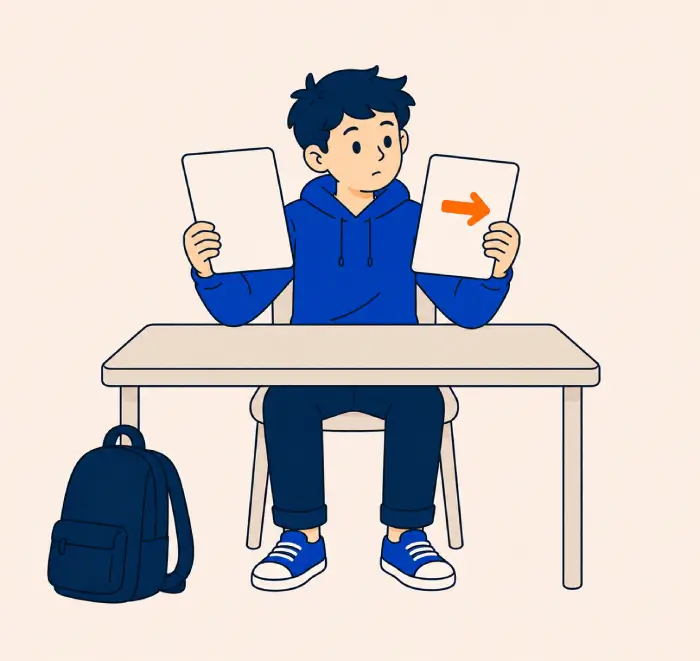
Course change categories

Four scenarios.

Each type of course change has different rules and risks.

Same-level change, same AQF level

Changing from one Bachelor to another Bachelor, for example. Usually permissible with new CoE and institution transfer. Existing visa often continues.

Level upgrade

Moving from Diploma to Bachelor, or Bachelor to Masters. Generally well-received. May need new visa if the course length exceeds existing visa.

Level downgrade

Moving to a lower-level course. Raises Genuine Student concerns. Strong justification needed. Sometimes fresh visa application.

Institution transfer without level change

Changing institution while keeping same course level. Often permissible. Release letter from current institution usually required if within first 6 months.

GS implications

Course changes affect future assessments.

Every course change becomes part of your record and affects subsequent visa assessments.
Consistent progressionCourse changes that show clear academic progression strengthen the Genuine Student narrative.
Multiple changes raise concernsThree or more course changes in a short period trigger strong GS scrutiny. Pattern suggests non-genuine study intent.
Downgrades need explanationMoving to lower qualifications needs compelling academic or career reasons. Otherwise suggests migration-first motive.
Impact on future visasCourse change history appears on every subsequent visa application. Affects 485 eligibility and refusals.
Process and paperwork

Three steps to change course.

Most course changes follow a consistent process, though level changes add complexity.

Release letter (if needed)

If changing institution in the first 6 months, release letter from current institution required. Institution assesses reasons.

New CoE

Enrol at new institution or course. Receive new Confirmation of Enrolment.

Notify the Department

Update the Department if the change is significant or if a new visa is required. Some level changes need fresh application.

The 6-month transfer rule is often misunderstood.

Students within the first 6 months of their principal course cannot transfer to another institution without a release letter. This rule prevents early course-hopping. After 6 months, the rule relaxes significantly.

Common questions

The questions we hear most.

For course change advice, book with Vishal Sharma.

Do I need a new visa to change courses?
Often not, if the change is within the same level and duration. Level downgrades and extensions usually need a new student visa.
Can I transfer to a cheaper course?
Technically possible but raises GS concerns. Strong academic or career reasoning needed.
What if the institution refuses my release letter?
You can challenge the decision through the institution complaints process. External review through state authority possible for some institutions.
Will a course change affect my 485 eligibility?
Possibly. 485 eligibility depends on course completion and institution registration at graduation.
Course change compliance and new visa applications

Course change? Plan first.

Book a consultation with Vishal Sharma. We review your situation and recommend the right pathway.

Some information on this page has been sourced from the Department of Home Affairs and has been interpreted and approved by Principal Migration Agent Sourabh Aggarwal (MARN 1462159). Last reviewed: May 2026.